
“It’s probably too old by now.”
I hear a version of that sentence almost every week. About an appendix scar from childhood. A burn from a moped exhaust in the nineties. A knee that was opened in surgery back when the person telling me about it was still in school. It usually arrives with a small apology, as if turning up with a thirty-year-old scar were somehow bad manners.
So let me answer the question in the title straight away: no. Your scar is not too old. Not at thirty years, and not at fifty.
Scar tissue is living tissue
A scar can look finished, pale, flat, quiet. But it isn’t a patch of something inert sewn into you. It’s living connective tissue, with its own blood supply and its own cells, and like all connective tissue it keeps adapting to how it is moved and loaded for as long as you live.
The research word for this is remodelling. Remodelling is most active in the first year or two after a wound closes, which is why new scars change so visibly. But it never entirely stops. The collagen in a scar keeps being slowly broken down and rebuilt for decades, which is exactly why hands-on work can still make a difference long after everyone, including you, stopped thinking about the scar.
Picture the growth rings of a tree flowing around an old seam in the wood. A tree never stops growing around an old mark. That isn’t just a nice image. It’s a fair description of what connective tissue does.
Most people wait years too long. You are not too late. — Janni
What “treating” an old scar actually means
Let me be precise here, because this is where scar treatment is often oversold. Nothing is taken away. I don’t dissolve scar tissue, and nobody honestly can. The scar is a repair, and the repair stays.
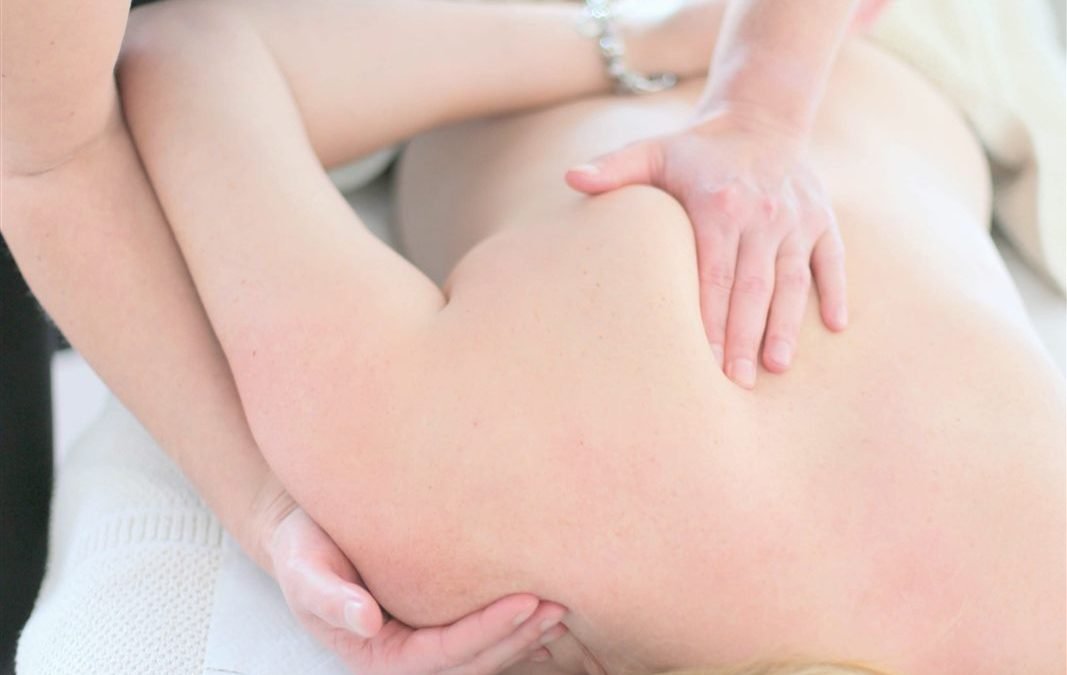
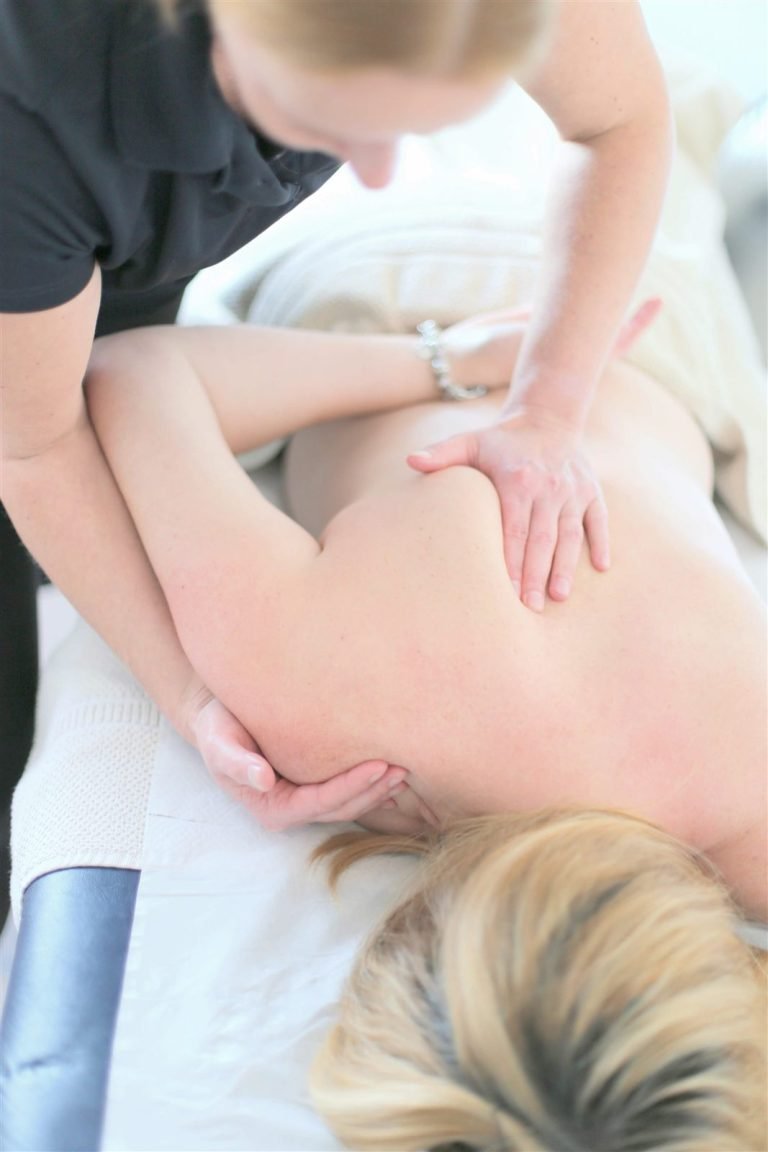
What I work on is how the scar and the tissue around it move together. Over the years, a scar can become a place where layers that should glide across each other don’t. You may know this as a pulling sensation in certain movements, a spot that feels hard or stuck, skin that is oddly sensitive to touch, or simply a place on your body you’ve never let anyone near.
The work itself is gentle and specific. It can tug a little. It must never hurt. You set the pace, and I change what I’m doing the moment you say so. That rule doesn’t get looser because a scar is old.
What honestly changes, and what doesn’t
What doesn’t change: the line. Your scar will still be there afterwards, and I think that’s as it should be. It’s part of your history, not a defect to erase.
What can change, and what I see old scars respond with, again and again:
- the tissue around the scar becomes more supple and glides better;
- tightness and pulling ease;
- skin that was hypersensitive often calms down;
- movement that felt restricted near the scar starts to feel freer.
Many people also find the scar itself comes to look a little softer over time, but appearance is the one thing I will never promise you, because nobody honestly can.
What does the research say?
Honestly: the research on manual scar treatment is still young. Most of what exists are small studies and clinical reports, and they point in an encouraging direction, particularly on suppleness, comfort and sensitivity. That is genuinely promising. It is not the kind of evidence that allows anyone to make guarantees, and I’d rather tell you that plainly now than have you feel oversold later.
One caveat worth taking seriously
Old and stable is exactly what I like to see on my table. But a scar that has recently started changing on its own, whether it is growing, thickening, itching intensely or changing colour, should be looked at by your doctor first, not by me. And if you’re in ongoing hospital treatment of any kind, what I do runs alongside your hospital’s advice, never instead of it.
How would we start?
The same way every first visit here starts: we talk, I look and feel gently, and we only ever work at a pace that’s comfortable for you. A first session is 60 minutes (600 kr). You show me the scar, and I tell you honestly whether I think treatment is worth your money. Sometimes the honest answer is no, and I’ll say so. And if you’d be driving in from outside Køge, send a photo or call first, and I’ll tell you honestly whether the trip is worth it.
Thirty years is not too late. Most people have already waited years too long.
Never painful · never too late · you set the pace.